


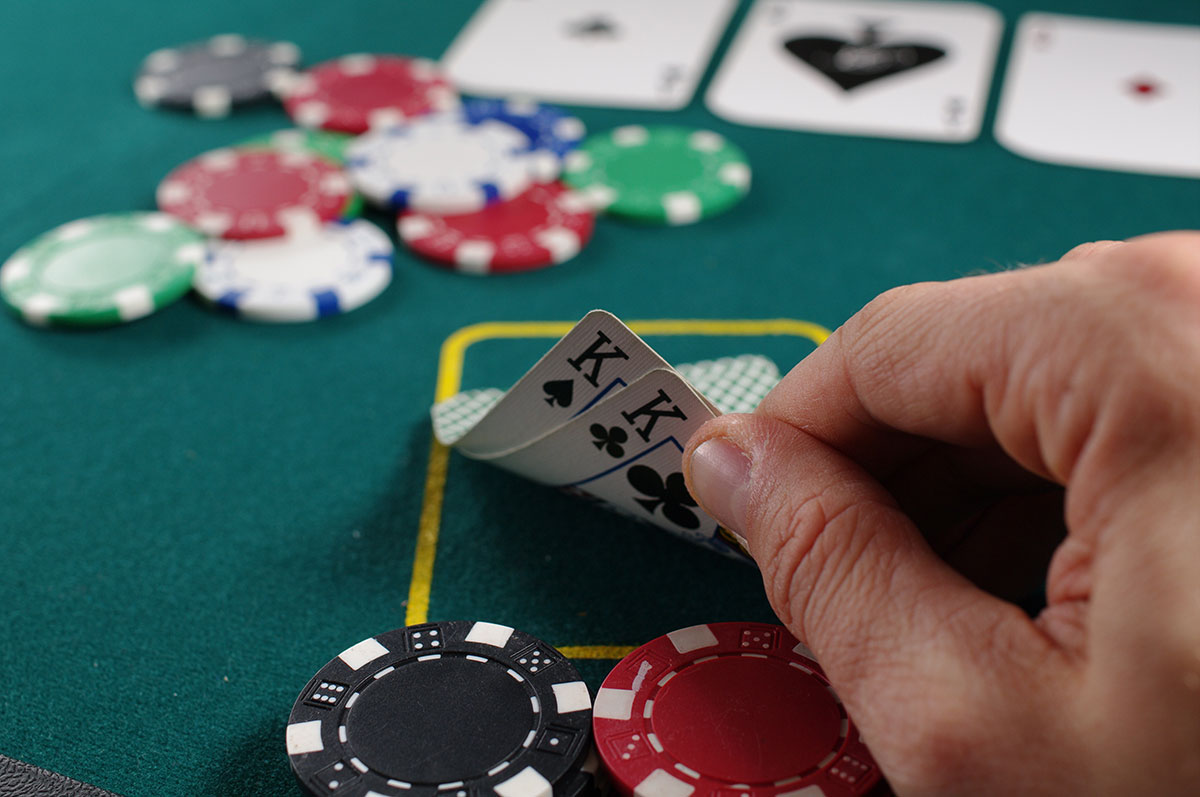
Poker is one of the few card games where skill, observation, and discipline can influence long-term results. While luck plays a role in individual hands, consistent improvement comes from understanding strategy, managing decisions carefully, and learning how opponents behave.
This guide explains the essential concepts beginners need to play poker confidently and develop stronger habits from the start.
Understanding the Objective of Poker
The primary goal in poker is simple:
Win chips by having the best hand or convincing opponents to fold before the showdown.
Players succeed by combining:
- strong starting hand selection
- strategic betting decisions
- awareness of table behavior
- patience across multiple rounds
Poker rewards thoughtful decision-making more than quick reactions 🎯
Learn the Basic Poker Hand Rankings
Knowing hand rankings is the foundation of successful play. Without this knowledge, making correct betting decisions becomes difficult.
Common hand strengths (highest to lower):
- Royal Flush
- Straight Flush
- Four of a Kind
- Full House
- Flush
- Straight
- Three of a Kind
- Two Pair
- One Pair
- High Card
Recognizing these quickly helps players respond confidently during each round.
Start With Texas Hold’em
For beginners, Texas Hold’em is the best version of poker to learn first. It is widely played and easier to understand compared to other formats.
Each player receives:
- two private cards
- five shared community cards on the table
The goal is to create the strongest five-card combination possible using both sets.
Learning this format builds a strong strategic foundation.
Understand Table Position Advantage
Your seat position relative to the dealer influences decision quality more than many beginners expect.
Late positions provide advantages because:
- you observe more player actions first
- you gather extra information
- you reduce unnecessary risk
Early positions require stronger starting hands for safer decisions.
Experienced players adjust strategy depending on position.
Choose Strong Starting Hands
Successful poker begins before the first bet is placed.
Strong beginner-friendly starting hands include:
- high pairs (AA, KK, QQ)
- Ace-King combinations
- Ace-Queen suited
- medium pairs (10–10, 9–9)
Avoid playing too many weak hands early. Patience improves long-term results 📊
Learn When to Fold Without Hesitation
One of the most valuable poker skills is knowing when to step away from a weak hand.
Folding protects your chips and prevents unnecessary losses.
Situations where folding is often smart:
- poor starting cards
- strong opponent betting patterns
- unfavorable table position
- unclear improvement chances after the flop
Strong players fold frequently—and intentionally.
Pay Attention to Opponent Behavior
Observation helps identify useful patterns.
Watch for players who:
- bet aggressively every round
- play only strong hands
- raise frequently before the flop
- hesitate during important decisions
Recognizing habits improves prediction accuracy over time.
Poker success often depends on reading people as much as reading cards 🧠
Manage Your Poker Bankroll Carefully 💰
Bankroll discipline protects your playing time and decision clarity.
Helpful bankroll practices include:
- setting session limits before playing
- using consistent bet sizing
- avoiding emotional increases after losses
- stopping when limits are reached
Smart bankroll management supports steady improvement.
Avoid Playing Too Many Hands
Many beginners believe more participation increases winning chances. In reality, selective play produces stronger results.
Benefits of playing fewer hands include:
- reduced risk exposure
- clearer decision-making
- improved chip preservation
- better timing opportunities
Quality decisions matter more than quantity.
Understand the Importance of Bluffing
Bluffing is part of poker, but beginners should use it carefully.
Effective bluffing usually works best when:
- table position is strong
- opponent behavior suggests uncertainty
- betting patterns remain believable
- the board supports your story
Overusing bluffs reduces credibility quickly.
Controlled bluffing improves confidence and strategy balance.
Stay Emotionally Neutral During Play
Emotions influence decision quality more than most players realize.
Avoid:
- chasing losses
- reacting to bad beats immediately
- increasing stakes impulsively
- rushing decisions under pressure
Calm thinking leads to smarter outcomes over time.
Consistency separates improving players from struggling ones.
Practice Before Playing Higher-Stake Games
Skill improves through repetition and reflection.
Helpful learning methods include:
- starting with low-stake tables
- reviewing previous hands mentally
- observing experienced players
- practicing online training versions
Gradual progress builds stronger instincts and confidence.
FAQ: Beginner’s Guide to Playing Poker Successfully
1. How long does it take to become comfortable with poker basics?
Most beginners understand rules and hand rankings within a few sessions, but strategy confidence develops with regular play.
2. Is online poker easier for beginners than live poker?
Online poker often feels easier at first because gameplay moves faster and beginners can practice privately.
3. What is the “flop” in poker?
The flop refers to the first three community cards placed face-up on the table in Texas Hold’em.
4. Should beginners play aggressive or cautious poker?
A cautious approach usually works better early because it reduces unnecessary losses while learning decision patterns.
5. Can players leave a poker table at any time?
In most casual and online settings, players can exit after completing a round without restrictions.
6. How important is patience in poker success?
Patience is essential. Waiting for strong opportunities often leads to better long-term results.
7. Do professional poker players rely only on mathematics?
No. Successful players combine probability knowledge with observation, timing, psychology, and disciplined decision-making.